Understanding AI Image Generators
As artificial intelligence continues to evolve, one fascinating aspect that has caught the attention of creators, marketers, and business professionals alike is the emergence of AI image generator. These advanced tools harness the power of machine learning to create visual content from textual descriptions, offering users an innovative way to produce unique images. With growing interest in AI-driven creativity, understanding how these systems work and their implications across various sectors is crucial for leveraging their potential effectively.
What is an AI Image Generator?
An AI image generator is a software application that uses algorithms and models trained on vast datasets to produce images based on text prompts or other inputs. These generators can create everything from realistic photographs to abstract art, making them versatile tools for various industries. Essentially, they serve as a bridge between human creativity and machine efficiency, allowing users to generate custom visuals rapidly and at scale.
How AI Image Generators Work
AI image generators typically utilize techniques such as Generative Adversarial Networks (GANs) and deep learning. In a GAN, two neural networks—the generator and the discriminator—compete against each other. The generator creates images while the discriminator evaluates their authenticity, pushing the generator to improve its output continuously. Over time, this process allows the system to produce increasingly sophisticated and complex images based on the input it receives.
Applications in Various Industries
- Marketing and Advertising: Brands can use AI-generated images in campaigns, reducing the time and cost associated with traditional photography and graphic design.
- Entertainment: Game developers and movie studios can create concept art and character designs in a fraction of the time it would take a human artist, allowing for more creativity and innovation.
- E-commerce: Retailers can generate product images tailored to specific demographics, enhancing personalization and customer engagement.
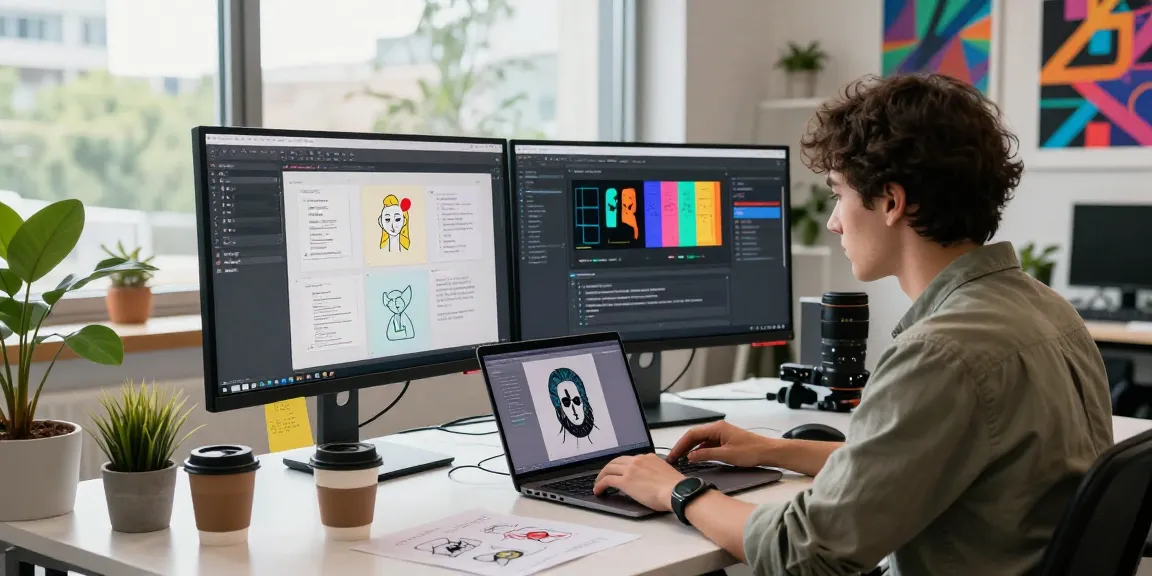
- Art and Design: Artists can experiment with new styles and concepts, using AI as a collaborative tool that enhances their creative process.
Benefits of Using an AI Image Generator
Cost-Effectiveness and Time Efficiency
One of the most significant advantages of using AI image generators is the ability to save both time and money. Traditional image creation can be a lengthy and costly process, involving hiring talented photographers, graphic designers, and artists. In contrast, AI image generators can produce high-quality visuals in seconds, allowing businesses to allocate resources more effectively and reduce overhead costs.
Enhancing Creative Processes
AI image generators act as creative collaborators, providing artists and designers with new perspectives and inspiration. By experimenting with various prompts, users can discover unique visual styles they may not have considered, thereby enhancing their overall creative output. This technology encourages a more iterative and exploratory approach to design, where the possibilities are virtually limitless.
Real-World Success Stories
Numerous businesses and artists have already reaped the benefits of AI-generated visuals. For instance, fashion brands have utilized AI tools to create stunning digital lookbooks and promotional materials that resonate with younger, tech-savvy consumers. Similarly, video game developers are harnessing AI to generate assets that populate vast game worlds, significantly reducing development time while maintaining high-quality standards.
Choosing the Right AI Image Generator
Key Features to Look For
When selecting an AI image generator, it’s essential to consider several key features to ensure you choose the right tool for your needs. Look for options that offer user-friendly interfaces, customization capabilities, and diverse output styles. Additionally, consider whether the generator allows for fine-tuning based on feedback to improve the quality of the images produced over time.
Comparison of Popular Tools
Several AI image generators currently dominate the market, each with its strengths. For example, Adobe Firefly offers robust integration with other Adobe products, making it a favorite among creative professionals. In contrast, Canva’s AI Image Generator provides ease of use for marketers and social media managers looking for quick solutions. Tools like Midjourney and DALL-E are well-known for their artistic outputs, appealing specifically to digital artists and designers.
User Feedback and Ratings
When evaluating an AI image generator, pay attention to user reviews and ratings. Feedback from other users can provide valuable insights into the tool’s strengths and weaknesses, helping you make an informed decision. Look for platforms with consistent high ratings, as these can often indicate reliability and user satisfaction. Engaging with user communities can also provide additional tips and tricks for maximizing the potential of the software.
Common Challenges and Misconceptions
The Learning Curve for New Users
While AI image generators are designed to be user-friendly, new users may face a learning curve as they familiarize themselves with the technology. Understanding how to craft effective prompts and navigate the software’s capabilities often requires practice. However, many platforms provide tutorials and support forums to help users overcome these initial hurdles and master the tool’s functionalities.
Understanding Output Quality Limitations
Another common misconception is that AI-generated images will always meet high-quality standards. While these tools are incredibly advanced, the output quality heavily depends on the input and context. Users must learn how to provide appropriate prompts and adjust settings for the best results. Being aware of the technology’s limitations can help set realistic expectations and optimize usage.
Coping with Ethical Considerations
As with any emerging technology, AI image generators raise ethical questions regarding copyright, originality, and the potential for misuse. It is crucial for users to understand the legal implications of using AI-generated images, particularly in commercial contexts. Additionally, fostering responsible usage—such as avoiding the generation of harmful or misleading content—is essential to ensure the technology benefits society as a whole.
Future Trends in AI Image Generation
Predictions for 2026 and Beyond
Looking ahead to 2026, several trends are likely to shape the future of AI image generation. As technology continues to advance, we can expect improved algorithms that enhance image quality, allowing for more photorealistic and intricate visuals. Additionally, there may be an increase in the integration of AI image generation tools within creative suites, further streamlining workflows for professionals.
Integration with Other Technologies
AI image generators will increasingly interact with other technologies, such as augmented reality (AR) and virtual reality (VR), expanding their applications. This convergence could enable users to create immersive environments and experiences, enhancing fields like gaming, training simulations, and interactive installations.
How Businesses Can Stay Ahead
To leverage the potential of AI image generation, businesses should prioritize continuous learning and adaptation. Staying informed about the latest developments in technology and exploring innovative applications can provide a competitive edge. Additionally, fostering a culture of creativity, and collaboration can help organizations harness the full power of AI in their visual communications.